By Robbin Laird
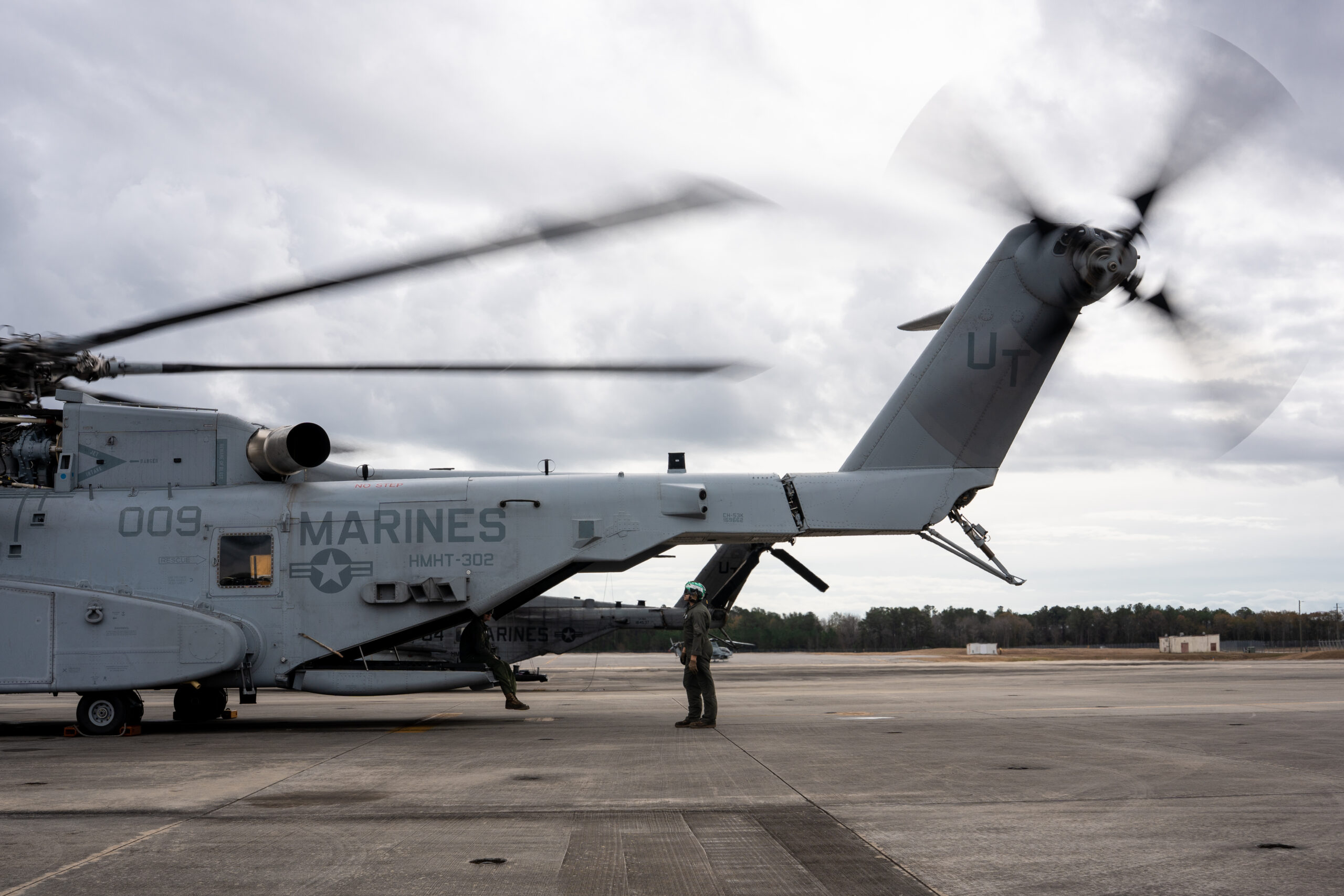
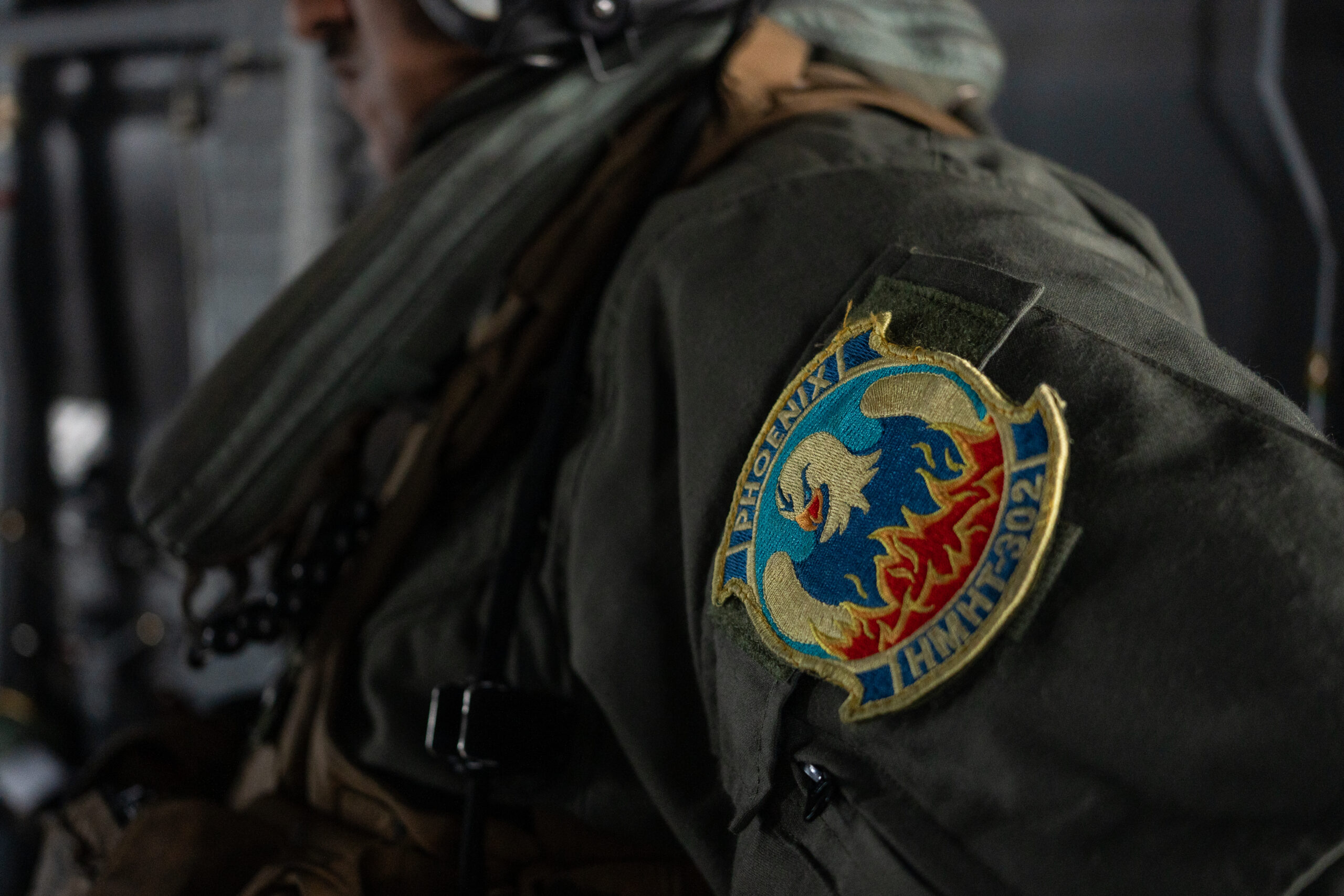
At Marine Corps Air Station New River in North Carolina, a quiet transformation is reshaping the future of American heavy-lift aviation. Marine Heavy Helicopter Training Squadron 302, known by its call sign HMHT-302, has changed in mission by becoming the training squadron now for the CH-53K.
What might appear as a routine administrative reorganization represents something far more consequential: the institutionalization of the CH-53K King Stallion program and the formal declaration that the Marine Corps is committed to replacing its entire legacy heavy-lift fleet with the most capable heavy lift rotorcraft ever built.
The establishment of HMHT-302 as the dedicated Fleet Replacement Squadron for the CH-53K marks a watershed moment. When a military service commits to standing up a dedicated training squadron for a new platform, it signals that the aircraft has moved beyond the experimental phase, beyond the test detachment stage, and into the realm of operational reality. This is not about demonstrating capability anymore. This is about building capacity.
From Test to Training: The Maturation Arc
The journey to HMHT-302’s establishment reveals much about how modern military aviation programs mature. For years, the CH-53K existed primarily in the world of development testing, operational testing, and small-scale demonstrations. Test pilots flew the aircraft. Industry worked out technical issues. Requirements were validated and refined. This is the natural progression for any advanced weapons system, particularly one as complex as the King Stallion, which represents a quantum leap in lifting capacity, digital integration, and operational capability over its predecessor, the CH-53E Super Stallion.
But test programs, no matter how successful, do not build combat power. They prove concepts. The transition from concept validation to fleet employment requires a different organizational structure entirely. It requires institutionalization of training, standardization of procedures, development of tactics, and most critically, the systematic production of qualified pilots, aircrew, and maintainers who can sustain operations across the full spectrum of military employment.
This is precisely what HMHT-302 now provides. The squadron’s mission is straightforward but vital: produce qualified CH-53K pilots, aircrew, and maintainers for the fleet. This includes two distinct training pipelines.
First, newly winged pilots arriving from flight school require foundational training in heavy-lift operations specific to the King Stallion.
Second, experienced CH-53E pilots transitioning from the legacy platform need conversion training that addresses the significant technological and operational differences between the Super Stallion and its successor.
The maintenance lessons learned being shared between HMH-461 and HMHT-302, are also facilitated by the embedded CH-53K Field Support Representative team fielded by Sikorsky at New River.
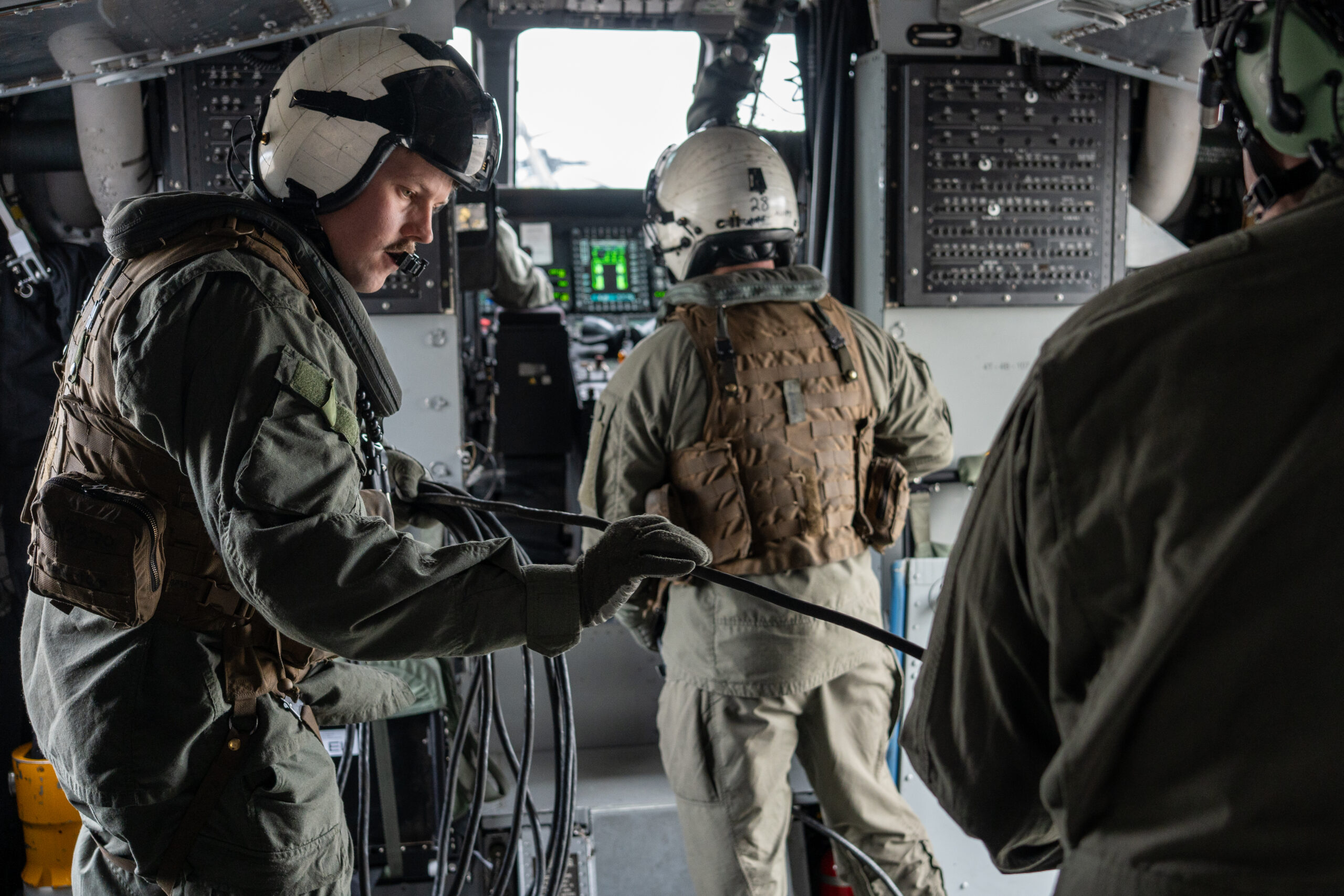
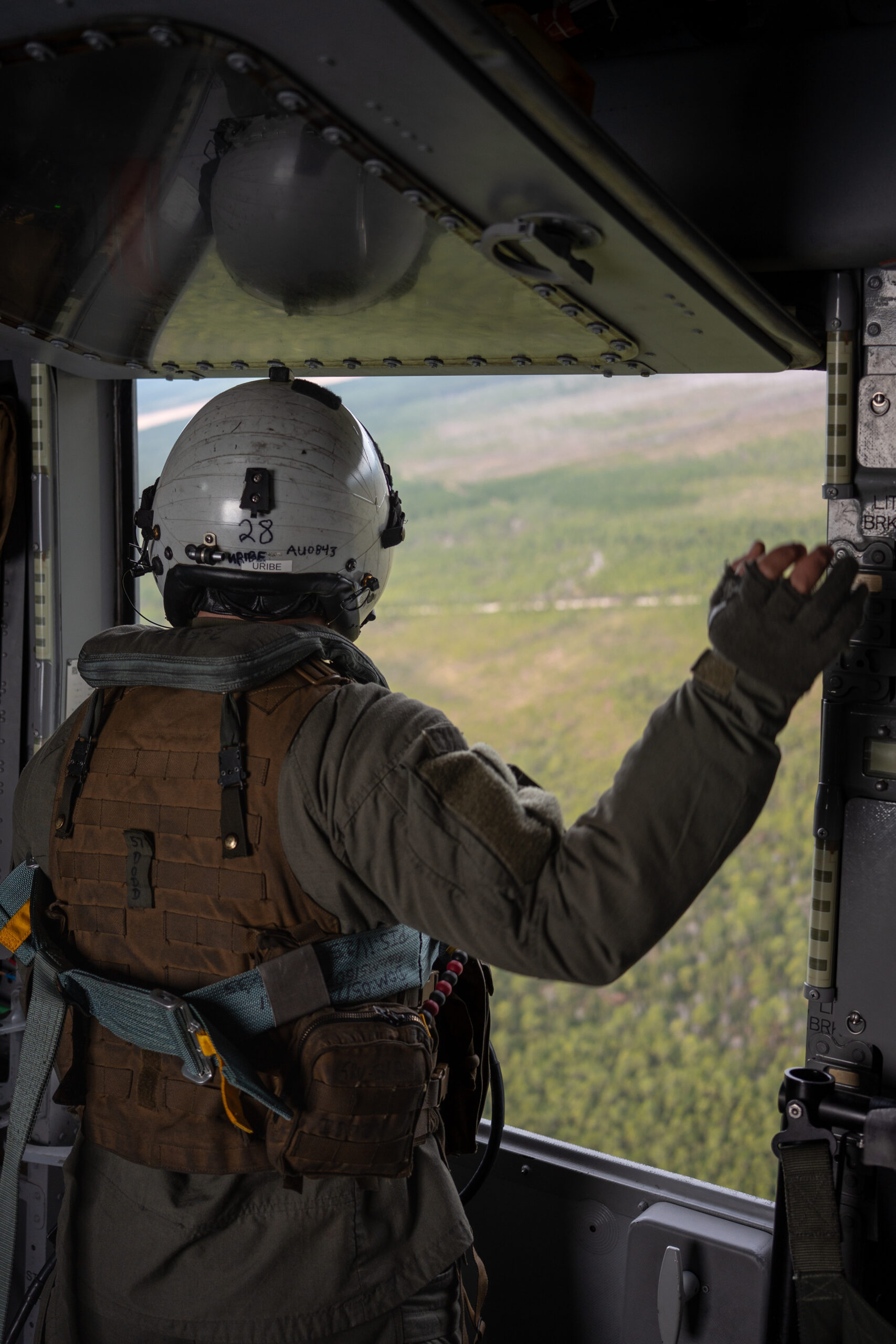
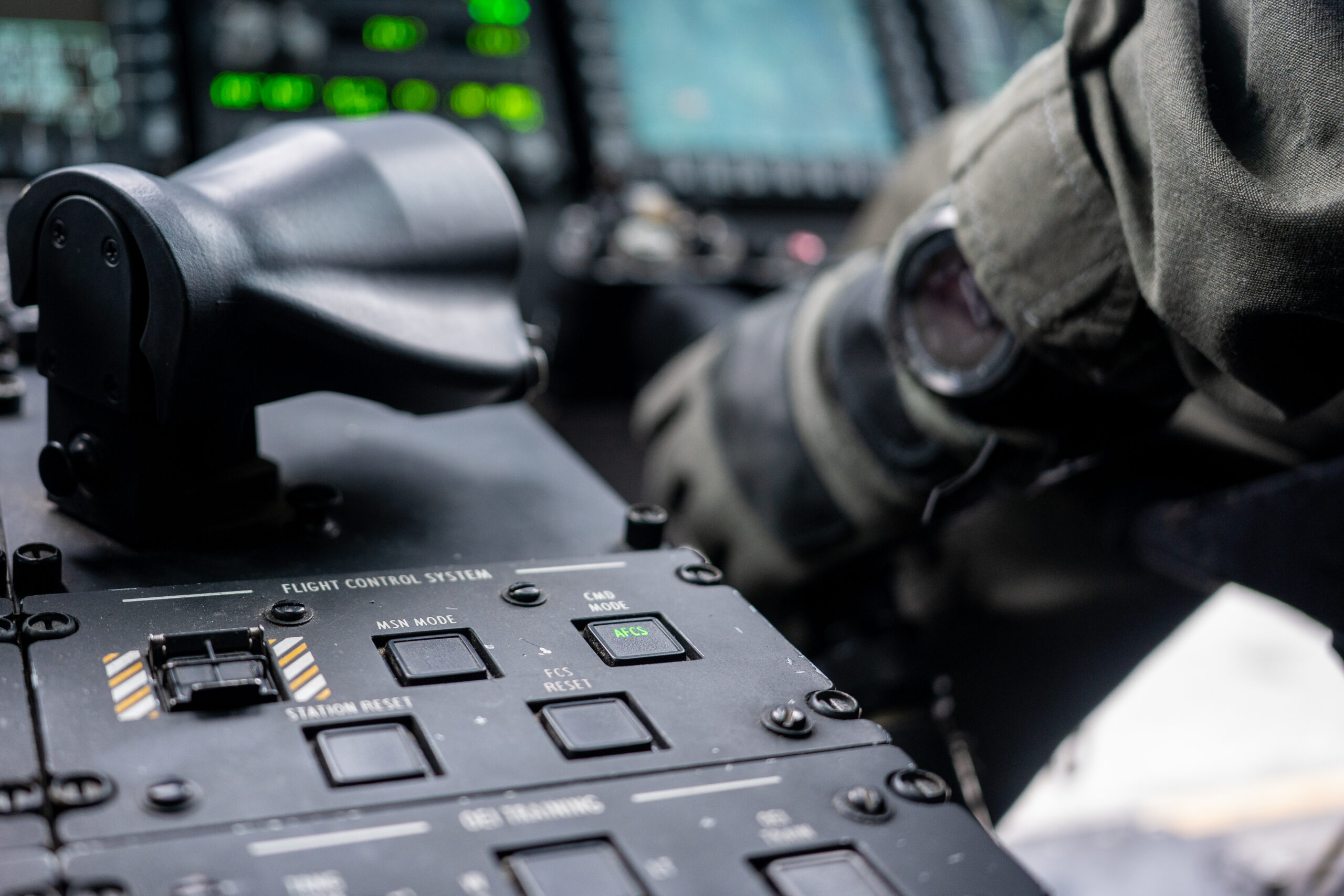
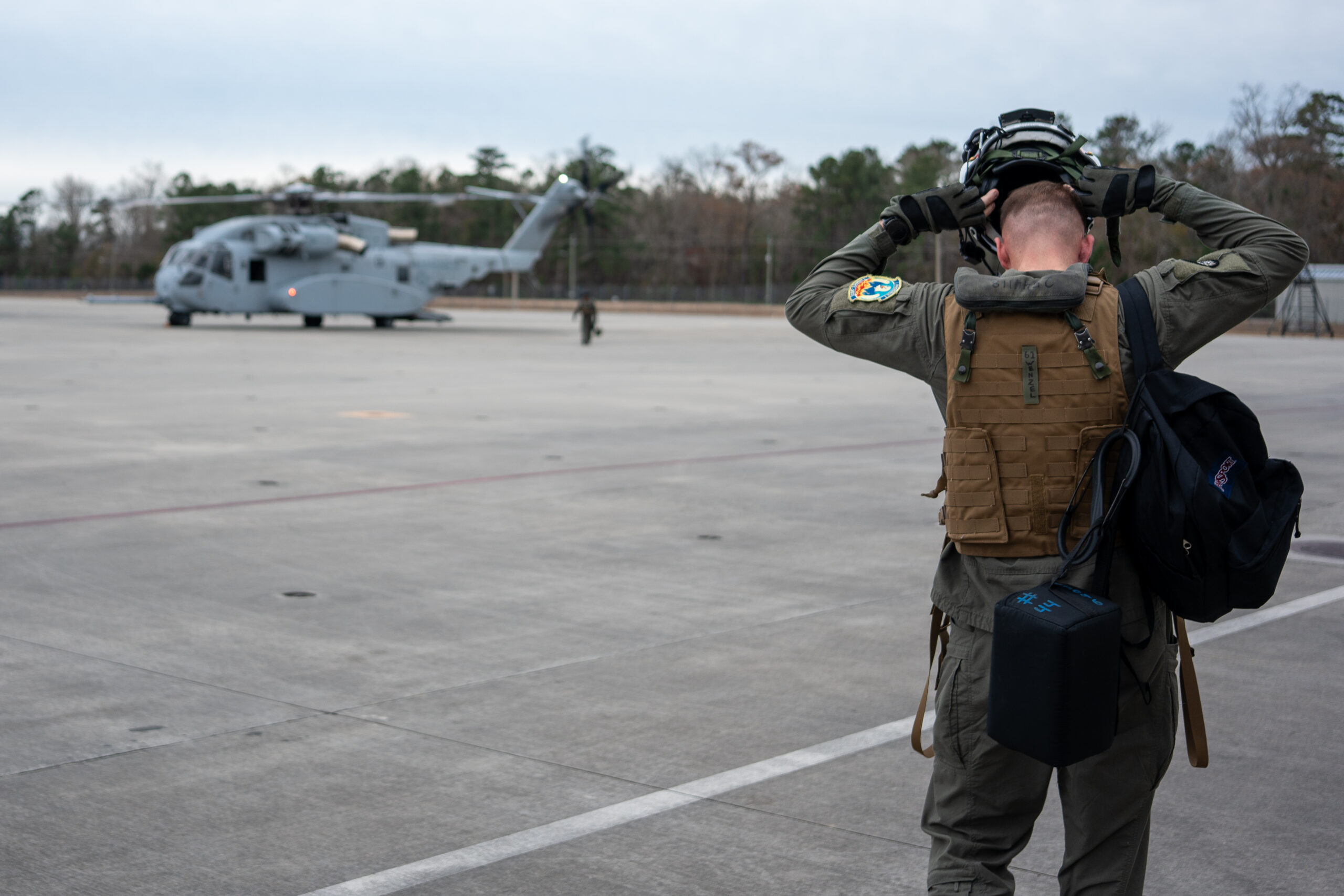
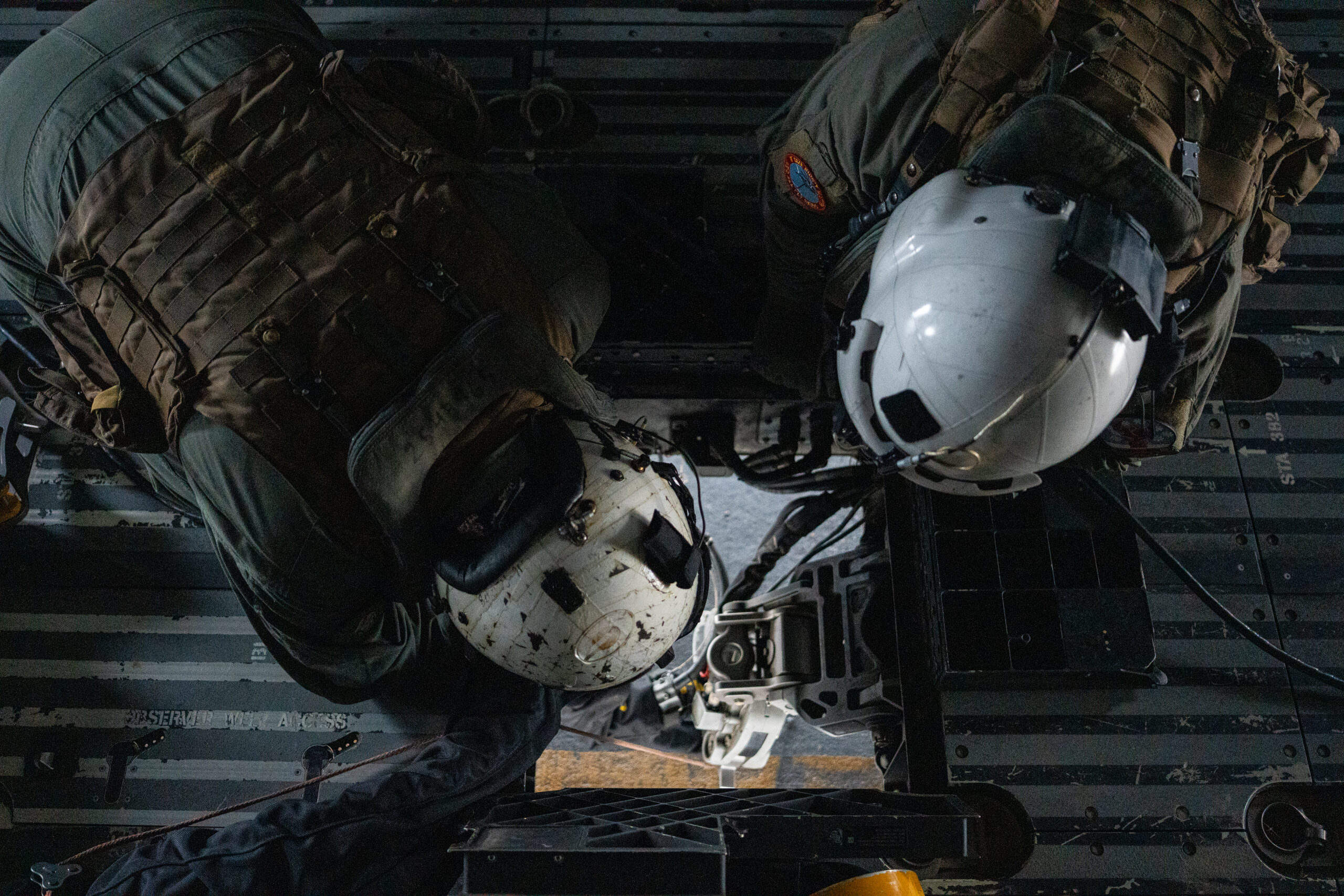
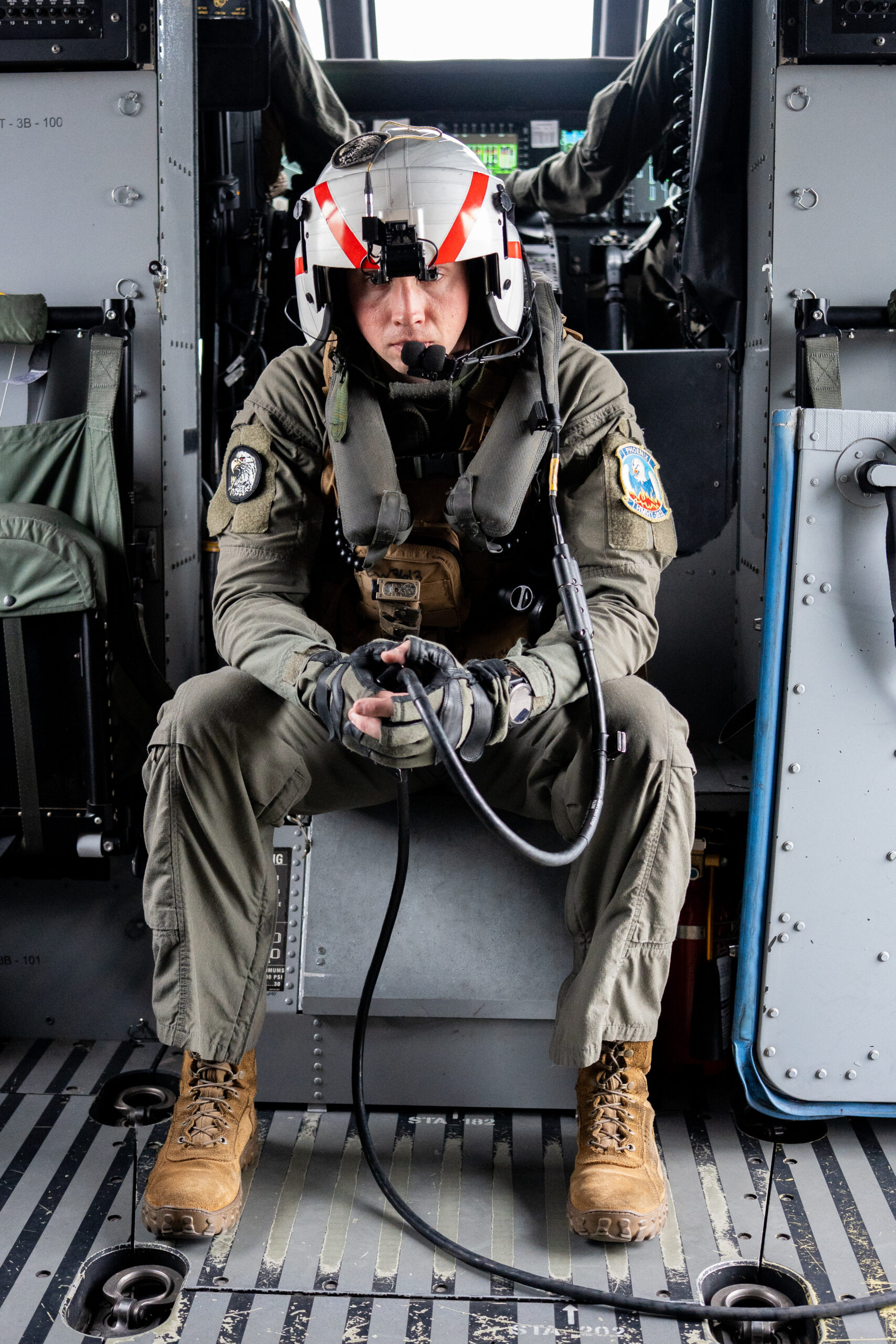
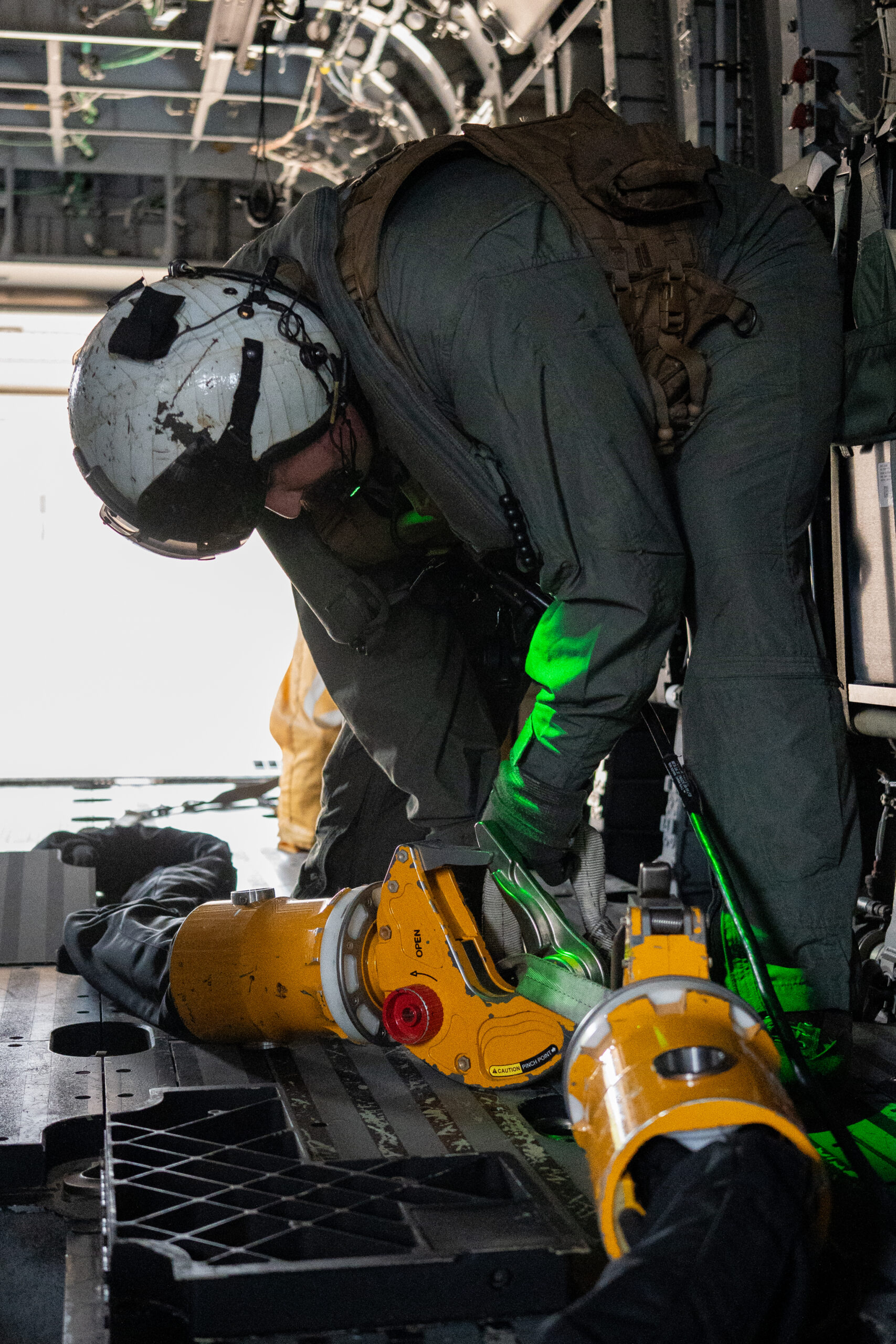
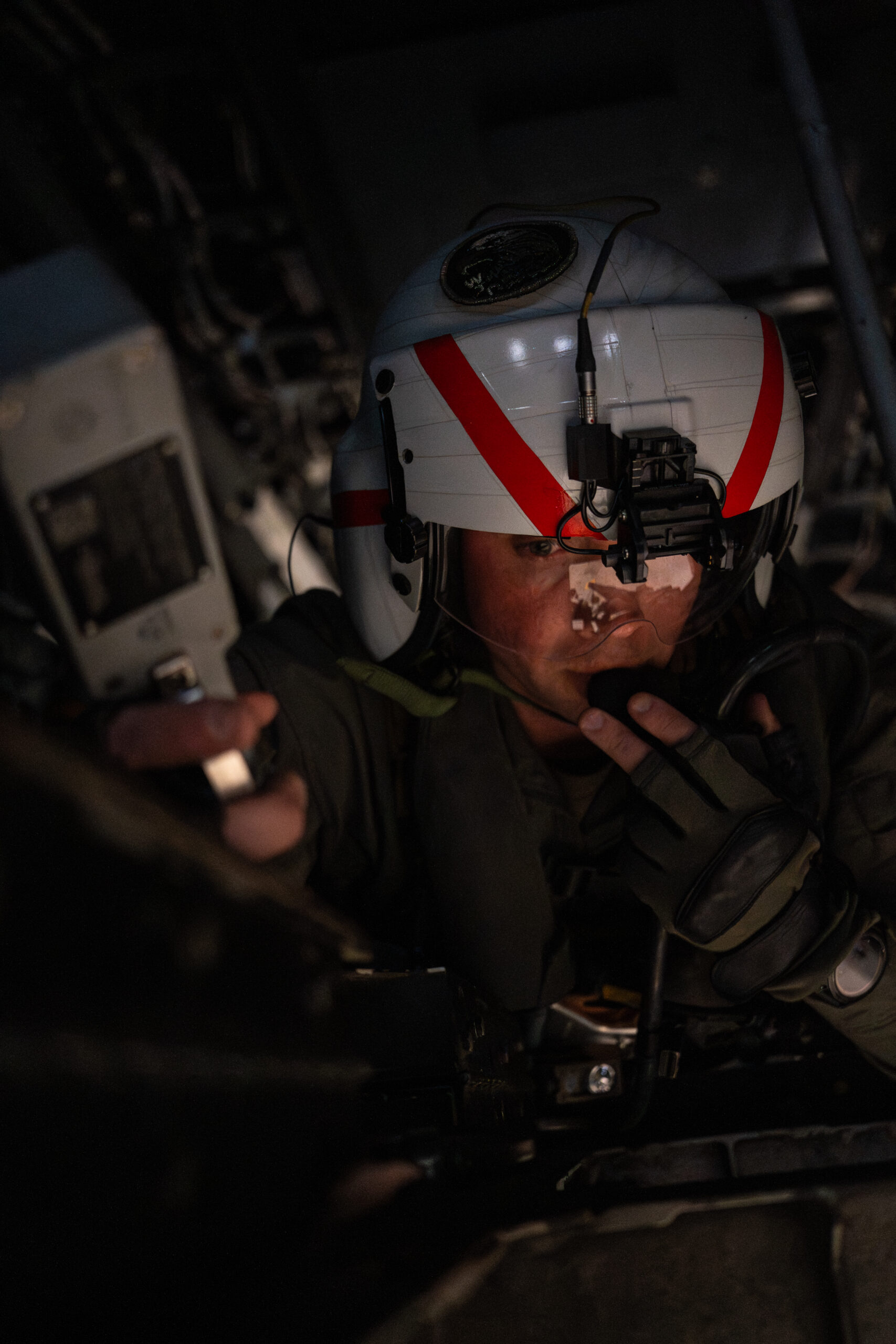
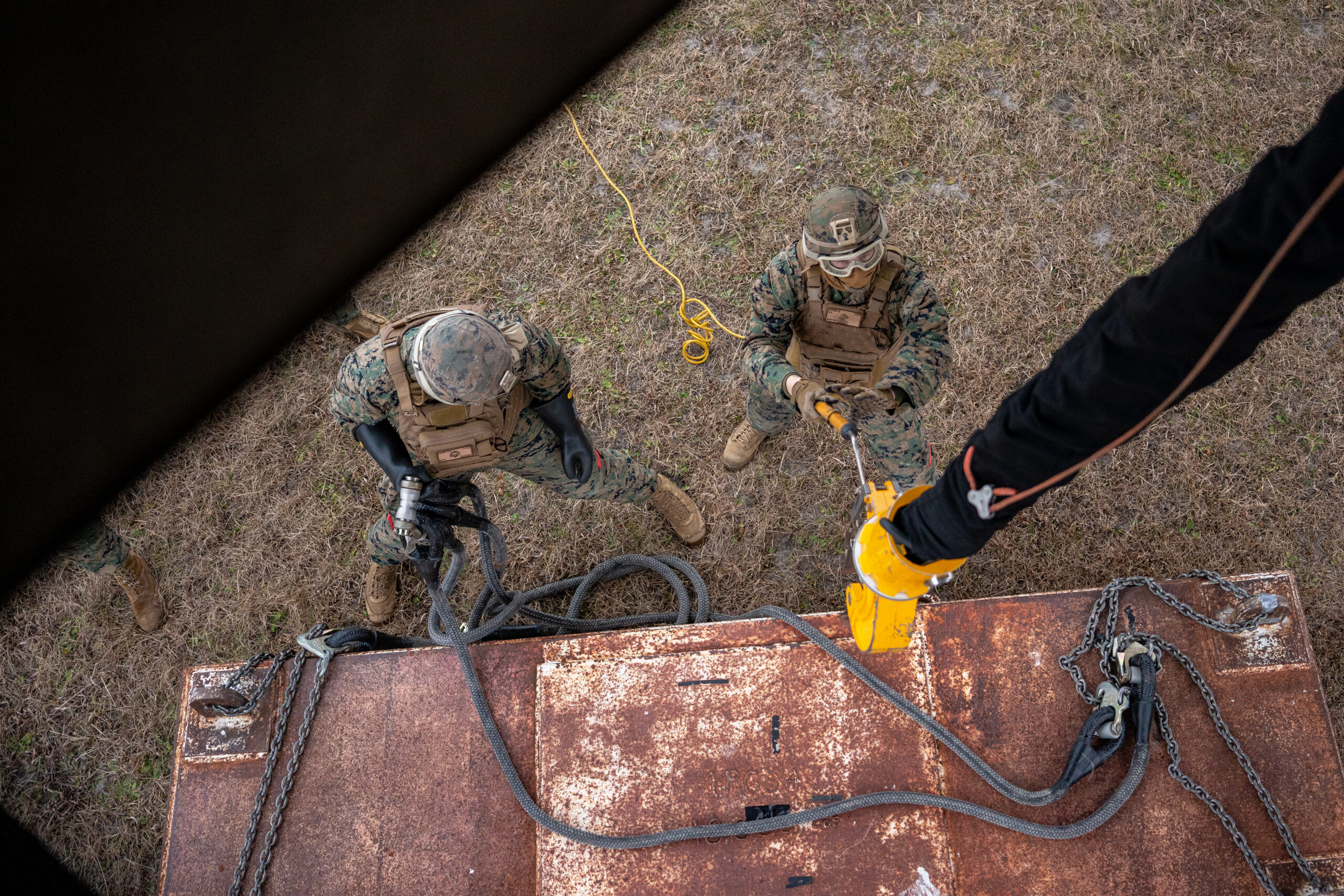
Recent imagery from December 2025 (seen in the slideshow below) showing HMHT-302 conducting active CH-53K flight operations confirms that the full Fleet Replacement Squadron syllabus is now being executed in actual aircraft rather than relying solely on simulators or test detachment assets. This represents the crossing of a critical threshold.
Simulator training, while essential and increasingly sophisticated, cannot replicate the full sensory and decision-making environment of actual flight operations. But the simulator for the CH-53K is quite remarkable as I discovered when given the chance to operate it during a visit. Because the 53K is a digital aircraft, the actual aircraft performs very similar to the flight simulators used by HMHT-302, and the transition and proficiency in moving to the actual 53K is much quicker and more efficient than in legacy platforms.
Nonetheless, the fact that HMHT-302 is now flying regular training sorties means the program has achieved the aircraft availability, maintenance maturity, and operational stability necessary to support a sustained training pipeline.
The New River Ecosystem
The co-location of HMHT-302 with HMH-461, the first operational Marine heavy helicopter squadron to complete its transition to the CH-53K, creates a powerful ecosystem at New River. This arrangement is no accident. Military force development benefits enormously from geographical concentration of expertise, particularly during the early phases of a new platform’s introduction.
HMH-461 serves as the operational proving ground, the squadron that takes the tactics, techniques, and procedures developed during testing and refines them through real-world employment. The squadron conducts external lift operations, distributed logistics training, and joint exercises the United States.
Every lesson learned, every maintenance challenge overcome, every tactical innovation discovered flows directly into the training environment that HMHT-302 provides.
This feedback loop between operational employment and training standardization accelerates the entire force development process. When HMH-461 identifies an effective employment technique during a distributed operations exercise, HMHT-302 can incorporate that technique into the training syllabus within weeks rather than waiting for formal doctrinal updates. When maintainers at HMH-461 develop a more efficient troubleshooting procedure, HMHT-302’s maintenance training can adapt accordingly. The geographical proximity transforms what could be a slow, bureaucratic information exchange into an organic, continuous learning process.
Moreover, the New River concentration creates career pathways that strengthen the entire King Stallion community. Experienced pilots and maintainers can rotate between operational and training assignments without geographical relocation, maintaining continuity and building institutional expertise. Senior aviators can serve as flight instructors at HMHT-302, directly shaping how the next generation of King Stallion pilots approach the aircraft, while maintaining currency in operational employment through engagement with HMH-461.
From Crisis Management to Chaos Management
The establishment of HMHT-302 comes at a moment when the Marine Corps is fundamentally rethinking its approach to force employment. The transition from what might be termed “crisis management” frameworks to “chaos management” concepts requires capabilities that the CH-53K uniquely provides.
Traditional crisis management assumes relatively linear problem sets: a specific contingency arises, forces deploy to address it, operations conclude, forces return. This model worked reasonably well during the post-Cold War era of sequential regional conflicts. But contemporary great power competition presents a fundamentally different operational environment. The Indo-Pacific theater, in particular, demands forces capable of operating across vast distances with minimal logistical infrastructure, adapting rapidly to changing situations, and sustaining operations in communications-degraded or communications-denied environments.
The CH-53K’s lifting capacity, triple that of the CH-53E, enables fundamentally different operational approaches. The aircraft can move artillery systems, distributed logistics packages, or even light armored vehicles across distances and into locations that previous heavy-lift platforms could not access. This capability directly supports the Marine Corps’ evolving concept of distributed operations, where smaller, more mobile units operate across archipelagic terrain rather than concentrating forces at predictable, vulnerable locations.
But lifting capacity alone does not define the King Stallion’s contribution to chaos management. The aircraft’s digital architecture integrates it into the broader network of sensors, communications nodes, and weapons systems that define contemporary military operations. This integration transforms the CH-53K from a simple transport platform into a node within what the Marine Corps increasingly describes as “kill webs” rather than traditional “kill chains.”
Recently, I attended the Steel Knight 2025 exercise in the West Coast which was described exactly as a kill web exercise. It was obvious from my discussions with Marines during the exercise what the CH-53K can provide for such a force compared to the legacy aircraft, the CH-53E. which was widely used in the exercise. I will address this question in a later article.
Kill chains are linear: detect, decide, engage. They work well in controlled environments against limited threats. Kill webs are networked: multiple sensors feed multiple decision nodes that can employ multiple engagement options simultaneously. The CH-53K, with its advanced avionics and communications systems, can participate in this networked approach while simultaneously executing its primary lifting mission. This dual functionality, heavy lift plus network integration, represents the kind of force multiplication that chaos management demands.
Institutionalizing Transformation
The most significant aspect of HMHT-302’s establishment is what it reveals about institutional commitment. The Marine Corps is not hedging its bets on the CH-53K. The service is not maintaining parallel tracks of legacy and new platforms indefinitely. By standing up a dedicated training squadron, co-locating it with the lead operational squadron, and executing full training syllabi in actual aircraft, the Marine Corps has declared its intent to complete the transition from CH-53E to CH-53K across the entire heavy-lift fleet by the early 2030s.
In addition to the significance of standing up a dedicated CH-53K FRS, the recent CH-53K Multi-Year contract award in September 2025 demonstrated and reinforced Marine Corps confidence in the CH 53K program and commitment to the full 200 aircraft program of record.
This timeline is ambitious but achievable, assuming current production schedules and funding profiles remain stable. More importantly, it reflects a recognition that maintaining two separate heavy-lift fleets imposes unsustainable burdens on training, maintenance, logistics, and expertise development. The CH-53E, despite its remarkable service record spanning decades, represents capabilities and limitations increasingly mismatched to contemporary operational requirements. Aging airframes require increasing maintenance hours. Parts availability becomes problematic.
Most critically, the platform’s lifting capacity and digital integration cannot support the distributed operations concepts that define Marine Corps force development.
Accelerating the transition by concentrating training at HMHT-302 while expanding operational employment through HMH-461 and subsequent squadron conversions creates momentum that makes the complete fleet replacement both feasible and necessary. Each newly trained cohort of pilots and maintainers strengthens the King Stallion community while the legacy community naturally contracts through retirements and transitions. The institutional knowledge and tactical expertise that made the CH-53E effective for so long now transfers to the new platform through structured training and operational employment rather than being lost during a protracted, uncertain transition period.
The Tactics Development Laboratory
Beyond training individual pilots and crews, HMHT-302’s establishment makes 2nd Marine Aircraft Wing the center of gravity for King Stallion tactics development. This role extends well beyond teaching basic aircraft handling and standard procedures.
Tactics development involves discovering optimal employment techniques, identifying integration opportunities with other platforms and systems, and challenging assumptions about how heavy-lift capabilities shape operational possibilities.
The Marine Aviation Plan references instrumentation work related to the CH-53K, suggesting sophisticated data collection and analysis efforts designed to understand aircraft performance in various operational scenarios. This instrumentation likely captures everything from engine performance parameters during high-altitude operations to flight characteristics during external lift configurations to communications system effectiveness in different electromagnetic environments.
Data collection feeds tactics development. When HMHT-302 and HMH-461 fly training and operational sorties, the information gathered contributes to a growing knowledge base about what the aircraft can do, where its performance envelopes intersect with operational requirements, and what techniques maximize effectiveness while minimizing risk. This empirical approach to tactics development represents a significant evolution from traditional methods that relied more heavily on extrapolation from similar platforms or theoretical modeling.
The tactics developed at New River will flow throughout the CH-53K community as additional squadrons transition to the platform. More significantly, these tactics will influence broader Marine Corps concepts for distributed operations, naval integration, and joint force employment. When planners design exercises or develop contingency plans, they increasingly incorporate King Stallion capabilities as available tools rather than aspirational futures. This shift from hypothetical to actual changes how the Marine Corps thinks about operational possibilities across both Pacific and Atlantic theaters.
Indo-Pacific and Atlantic Integration
While much attention understandably focuses on Indo-Pacific requirements, the vast distances, the archipelagic terrain, the distributed operations concepts, HMHT-302’s establishment at New River positions 2nd Marine Aircraft Wing to develop Atlantic-focused employment concepts as well. The Atlantic theater presents its own distinct requirements and opportunities that benefit from King Stallion capabilities.
Northern European operations, particularly across Nordic terrain and into Arctic environments, demand heavy-lift platforms capable of operating in challenging weather conditions across extended distances with limited infrastructure. The CH-53K’s power margins and advanced systems provide capabilities that legacy platforms cannot match in these environments. As European security architecture adapts to renewed great power competition, American heavy-lift capabilities that can support allied forces, enable distributed logistics, or facilitate rapid reinforcement become increasingly valuable.
Similarly, Caribbean and Central American operational areas present unique requirements where King Stallion capabilities enable responses to both traditional security challenges and disaster relief scenarios. The aircraft’s ability to move heavy equipment into remote areas with minimal ground infrastructure transforms operational possibilities during hurricane relief operations, earthquake responses, or security cooperation missions.
By concentrating tactics development at New River with operational access to both northern and southern training areas, HMHT-302 and HMH-461 can validate employment concepts across the full range of Atlantic theater requirements. This empirical approach ensures that the tactics and procedures developed for the King Stallion reflect actual operational environments rather than theoretical constructs.
The Human Dimension
Beneath all the discussion of platforms, capabilities, and concepts lies a human reality that HMHT-302 directly addresses: training the people who will fly, maintain, and employ the CH-53K determines the program’s ultimate success far more than any technical specification.
The best aircraft in the world provides no combat power if pilots cannot employ it effectively, if maintainers cannot keep it flying, or if operational commanders do not understand how to integrate its capabilities into broader campaign plans. HMHT-302 exists to solve these human challenges through systematic, standardized training that builds expertise and sustains readiness.
The squadron’s instructors, experienced aviators who understand both legacy and new platforms, serve as the bridge between generations of heavy-lift aviation. They translate institutional knowledge accumulated across decades of CH-53E operations into relevant lessons for King Stallion employment. They identify which traditional techniques remain valid and which require adaptation or replacement given the new platform’s different characteristics and capabilities.
For newly winged pilots, HMHT-302 provides the foundation upon which entire careers will build. The habits, procedures, and mindsets developed during initial qualification training shape how these aviators approach challenges throughout their service. For transitioning CH-53E pilots, the training addresses the cognitive shift required to employ a fundamentally more capable but also more complex platform. This transition training goes beyond teaching different switch positions or procedures; it requires rethinking operational possibilities given the expanded performance envelope.
Looking Forward
The establishment of HMHT-302 as the CH-53K Fleet Replacement Squadron represents a milestone, but milestones are points along journeys rather than destinations. The squadron’s work over the coming years will determine how quickly and how effectively the Marine Corps completes the heavy-lift transformation that the King Stallion enables.
Production rates, funding stability, and technical maturation all factor into the timeline, but HMHT-302’s ability to produce qualified personnel at the pace required to support fleet-wide transition may prove the most critical variable. Training throughput, the number of pilots and maintainers completing qualification courses in a given time period, must match or exceed the rate at which operational squadrons require new personnel as they convert from legacy platforms.
This training capacity equation requires careful management. Insufficient throughput delays squadron transitions and extends the period where the Marine Corps operates mixed fleets with all their attendant complications. Excessive throughput beyond operational squadron absorption capacity wastes resources and leaves qualified personnel without billets. HMHT-302 must calibrate its training production to the broader program timeline, adjusting as production deliveries, squadron transition schedules, and overall force structure decisions evolve.
Beyond the immediate training mission, HMHT-302’s existence changes how the Marine Corps approaches innovation within the heavy-lift community. When a new employment technique emerges from operational experience, a dedicated training squadron provides the institutional mechanism to capture, refine, and disseminate that innovation across the entire community. This standardization function becomes increasingly important as the King Stallion fleet expands and multiple squadrons begin operating the aircraft across different geographic areas and mission sets.
HMHT-302’s establishment occurs within a broader transformation of Marine Corps aviation toward digital integration, autonomous systems support, and network-centric operations. The CH-53K represents one element of this larger transformation, a critical element given the centrality of heavy-lift to distributed operations, but not an isolated element.
The training that HMHT-302 provides increasingly emphasizes integration with other platforms and systems rather than standalone heavy-lift operations. Pilots must understand how CH-53K operations fit within the larger picture of MV-22 Osprey air mobility, F-35 Lightning II strike capabilities, and emerging autonomous systems for logistics distribution. This integrated approach to training reflects the integrated approach to employment that contemporary operations demand.
As concepts like mesh fleets and distributed naval operations mature from experimental to operational status, heavy-lift aviation provides essential connective tissue that enables dispersed forces to operate effectively. HMHT-302 trains the pilots and crews who will execute this connective function, making their proficiency and tactical sophistication fundamental to the broader operational concepts’ success.
Conclusion
The establishment of Marine Heavy Helicopter Training Squadron 302 at MCAS New River marks the CH-53K King Stallion’s arrival as an operational reality within the Marine Corps fleet. What began as a development program, progressed through testing and initial operational capability, and now enters the phase of fleet-wide deployment through systematic training and operational employment.
HMHT-302 provides more than pilot training. The squadron institutionalizes the CH-53K program, accelerates tactics development, enables the feedback loop between operational employment and training standardization, and builds the human expertise that transforms technical capability into combat power. Co-located with the lead operational squadron, embedded within 2nd Marine Aircraft Wing’s broader transformation, and positioned to support both Indo-Pacific and Atlantic operational requirements, HMHT-302 represents the foundation upon which the future of American heavy-lift aviation is being built.
The Coming of the CH-53K : A New Capability for the Distributed Force